





Big Data (Big Data) is one of the key technologies of Industry 4.0. It is also a valuable tool for managers who want to make better and more informed decisions by extracting maximum value from the available data. It plays a key role in collecting, processing, and analyzing vast volumes of data that are generated in modern business processes and related systems.
Big Data platforms collect data from various sources, such as IoT Sensors, machines, ERP/MES systems and CRM software. The data is processed through analytical algorithms and tools to provide useful information for improving productivity and efficiency. Big Data analytics help identify problems, optimize processes, reduce costs, predict failures and the need for maintenance through analysis of historical and current data.
Examples of applications of Big Data:
Big Data can find a wide range of applications within a company, regardless of its industry. Although technology is often associated with large corporations and banks, many solutions and platforms are now available to small businesses as well. It can also be very useful for municipalities.
Here are concrete examples of how companies use big data to increase efficiency, optimize their processes, and make better decisions:
1. Analysis of customer behavior
- How it works:
- Data collection from online orders, social media, customer surveys, and CRM systems.
- Use of algorithms for analyzing customer behavior and preferences.
- Example application:
- Personalizing marketing campaigns, offering recommended products.
- Example: An online marketplace platform uses Big Data to offer personalized offers to customers based on their previous purchases.
2. Optimization of production
- How it works:
- Data from production machines and sensors is analyzed to identify patterns and optimize operations.
- Predictive maintenance of the equipment through analysis of vibration, temperature and pressure indicators.
- Example application:
- Reducing downtime by predicting breakdowns.
- Example: A furniture factory uses Big Data to predict when a given machine will need maintenance.
3. Management of logistics and supply chain
- How it works:
- Analysis of data from suppliers, transport networks and inventory levels.
- Optimization of routes and inventory management.
- Example application:
- Reducing the costs of transportation and delivery by predicting the most efficient routes.
- Example: A logistics company uses Big Data to plan routes that minimize delivery time and fuel costs.
4. Risk management
- How it works:
- Analysis of financial data, market indicators and historical data for potential problems.
- Identifying financial risks and opportunities.
- Example application:
- Reducing the risk of late payments by assessing the creditworthiness of customers.
- Example: A bank uses Big Data to analyze its customers' profiles and predict the probability of credit risk.
5. Human resources management
- How it works:
- Analysis of job application data, feedback from employees, and productivity data.
- Identification of trends in staff turnover.
- Example application:
- Selection of the most suitable candidates for employment based on an analysis of profiles.
- Example: The HR department uses Big Data to identify the factors that influence employee engagement and productivity.
6. Innovation and product development
- How it works:
- Analysis of market data and customer needs to predict trends.
- Testing new products through simulations and prototyping.
- Example application:
- Creating products that meet future market requirements.
- Example: A technology company uses Big Data to predict the need for more environmentally friendly products and to launch an innovative line.
Big Data and small business
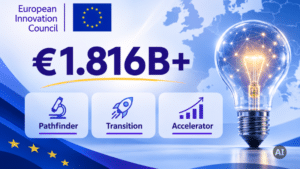
Big Data and other technologies of Industry 4.0 They can also be extremely relevant and useful for small business, However, their application depends on the needs, scale, and resources of each individual company. Here, the main challenge is related to the process of collecting the raw data and the lack of expertise to analyze them. They often do not have specialists for this, and they also have limited resources and find it difficult to allocate funds for the implementation of new technologies. Here, European funding programs come to the rescue, which can provide grants for the implementation of Big Data projects.
Examples of the application of Big Data in small business:
- Restaurants and cafes:
- Sales analysis to determine the most popular items or peak times.
- Menu optimization based on customer preferences.
- Retail trade:
- Monitoring customer trends and adapting the assortment according to the most sought-after products.
- Managing inventories through demand forecasting.
- Small manufacturing companies:
- Optimization of production processes through analysis of data on productivity and defects.
- Integration with IoT sensors for machine monitoring.
- Digital services:
- Websites and e-commerce platforms can use data from site visits to personalize content or offers.
Advantages for small businesses:
- Accessibility: Many cloud platforms offer Big Data tools at affordable prices.
- Flexibility: The solutions can be adapted to the needs and scale of the business.
- Quick recovery: Even small investments in data can lead to significant improvements in efficiency and customer service.
Utility for municipalities
Big Data at the municipal level, it can be an extremely valuable tool for improving urban governance, the efficiency of services, and the quality of life of residents.
Municipalities that invest in data analysis can make better decisions and respond more adequately to the needs of their citizens.
Here's how city governments can use it Big Data:
1. Traffic and transport management
- How it works:
- Collecting data from surveillance cameras, motion sensors, and GPS devices on public transport.
- Real-time traffic analysis and congestion identification.
- Example application:
- Optimizing the time for light signals on traffic lights according to traffic.
- Informing citizens about alternative routes in case of traffic jams through mobile applications.
2. Management of municipal waste
- How it works:
- Use of sensors in waste containers that provide data on their filling level.
- Analysis of data for optimizing the routes of the garbage collection trucks.
- Example application:
- Reducing fuel and labor costs through more efficient routes.
- Preventing the overcrowding of containers in busy areas.
3. Energy efficiency
- How it works:
- Analysis of the consumption of electricity, gas and water in different regions.
- Introduction of smart street lamps that activate only when moving.
- Example application:
- Optimization of lighting in parks and streets to reduce energy costs.
- Identification of areas with high water consumption and the implementation of measures to reduce losses.
4. Monitoring of air quality
- How it works:
- Use of sensors to collect data on pollution levels.
- Analysis of data to identify the most polluted areas.
- Example application:
- Introduction of measures to limit traffic in high-pollution zones.
- Inform residents in real time through mobile applications.
5. Management of emergencies
- How it works:
- Analysis of data from sensors, cameras, and social media during disasters or incidents.
- Predicting potential risks through historical data.
- Example application:
- Improving the response to floods through data from meteorological stations and rivers.
- Optimizing evacuation routes.
6. Urban planning
- How it works:
- Analysis of data on the movement of people, the occupancy of parking spaces and the load on the infrastructure.
- Using historical data to design new roads, parks or public buildings.
- Example application:
- Determining the most suitable locations for new schools, hospitals or public centers.
- Simulations to assess the impact of new infrastructure projects.
7. Optimization of public services
- How it works:
- Analysis of data on visits to administrative buildings, calls to call centers and online requests.
- Identifying the most common problems faced by citizens.
- Example application:
- Increasing the capacity of services during the busiest hours.
- Automating administrative processes through digital platforms.
8. Safety and security
- How it works:
- Use of data from surveillance cameras and alarm systems to identify risk zones.
- Analysis of data on criminal incidents.
- Example application:
- Distribution of police resources in areas with increased crime.
- Introduction of smart video surveillance systems with AI that recognize suspicious behavior.
9. Population forecasting
- How it works:
- Analysis of demographic data, migration trends and fertility rates.
- Projections for future population growth.
- Example application:
- Planning of new residential neighborhoods and infrastructure.
- Improving social services such as healthcare and education.
10. Tourism and cultural events
- How it works:
- Analysis of data from visits to cultural sites, hotels, and social media.
- Prognosis of the tourist flow.
- Example application:
- Optimization of infrastructure for large events.
- Targeting tourists to less crowded sites.